Attic Ventilation Repair: Signs Your Home Attic Has Moisture
A damp attic, often called a roof space in Australia, can damage insulation, encourage mould and contribute to timber decay. In the Blue Mountains, cool nights, wet weather and temperature changes make roof-space condensation an important concern. Recognising the warning signs early helps you determine whether you need attic ventilation repair, leak repairs or better control of moisture entering from inside your home.
Signs Your Attic Has a Moisture Problem
You do not need to climb into the roof space to notice every warning sign. Start with visible changes inside the house and arrange a professional inspection if problems persist.
- Musty smells: A persistent damp odour near ceiling access panels or upstairs rooms can indicate trapped moisture or mould.
- Water droplets beneath roofing: Condensation on metal roofing, nails or other cold surfaces suggests humid air is meeting a surface below its dew point.
- Dark patches on timber: Staining or visible mould warrants investigation, although staining alone does not establish whether moisture is still present.
- Damp or compressed insulation: Wet insulation performs less effectively and may conceal leaks or condensation.
- Ceiling stains or peeling paint: These can indicate roof leaks, plumbing problems or condensation rather than ventilation failure alone.
- Soft timber or corroded fixings: These may signal prolonged moisture exposure and require prompt professional assessment.
A sagging ceiling, active water near electrical fittings or visibly weakened roof timbers needs urgent attention. Keep clear of affected areas and contact appropriate licensed trades.
What Causes Moisture in Blue Mountains Roof Spaces?
Warm, humid air escaping from living areas
Showers, cooking and clothes drying release moisture into indoor air. Gaps around ceiling penetrations and poorly sealed access hatches can allow that air into the roof space. Bathroom and kitchen exhaust systems that discharge into the attic add moisture directly. These systems should discharge outdoors through suitable ducting and terminals, in accordance with applicable requirements.
Restricted airflow and cold roof surfaces
Blocked eave vents, unsuitable vent placement or insulation obstructing intended airflow https://roofingbluemountains.com.au/roofing-ventilation-systems/ paths can prevent moisture from dispersing. However, condensation also depends on roof temperature, indoor humidity, insulation and roof construction. Adding more vents is not automatically the right solution.
Roof leaks and drainage defects
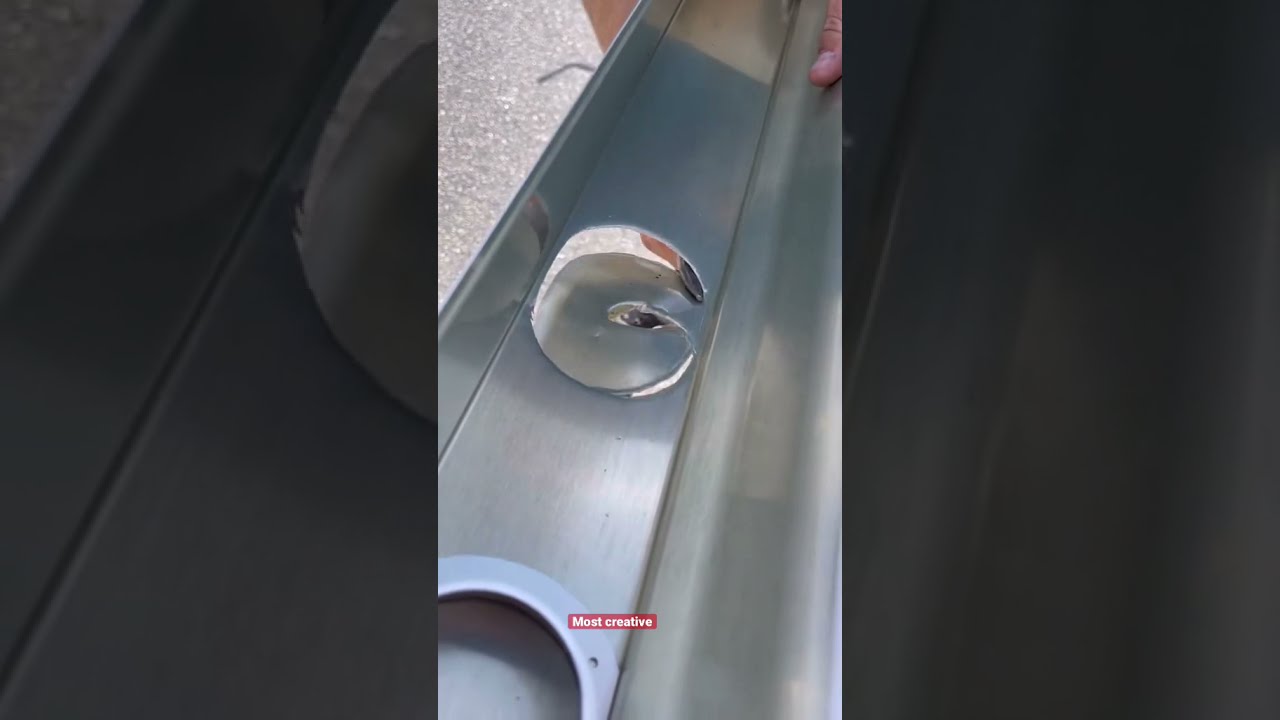
Damaged roofing, failed flashing and overflowing gutters can introduce rainwater. Localised wet patches that appear after rain suggest water entry, while widespread droplets during cold conditions may suggest condensation. Both problems can occur together.

How Attic Ventilation Repair Should Be Approached
A useful inspection identifies the moisture source before recommending products. Ask your contractor to check roofing and flashing, exhaust duct connections, insulation placement, ceiling air leakage and existing ventilation openings.
Effective customized roof ventilation considers the roof’s shape, available intake and exhaust paths, and exposure to wind-driven rain. Attic ventilation installation may involve clearing existing vents, adding suitable openings or correcting an unbalanced arrangement. Powered fans require careful assessment because they can draw conditioned indoor air through ceiling gaps when replacement airflow is inadequate.

Descriptions such as advanced ventilation techniques should come with a clear explanation of how the proposed work addresses your roof’s particular moisture problem. Attic cooling methods and attic heat reduction can improve summer performance, but temperature reduction alone does not prove that condensation is controlled.
Check Related Roofing and Gutter Problems
Ventilation work cannot fix rain entering through defective roof coverings. Comprehensive roof repair may also require flashing repairs, replacement of damaged tiles or correction of drainage faults. Damaged gutter repair and comprehensive gutter services can help prevent overflow, but gutters and downpipes must also discharge water appropriately.
Be cautious about proposals for complete roofing replacement without evidence of widespread deterioration. Likewise, painting over stains or using advanced painting techniques does not resolve the underlying moisture source. Repair the cause and allow affected materials to dry before redecorating.
Choose Repairs That Suit Your Blue Mountains Home
For properties in bushfire-prone areas, ventilation openings may need specific ember protection. Ask your contractor to check the applicable National Construction Code provisions, relevant standards and any bushfire attack level requirements before altering vents. Roof-space work also involves fall, electrical and material-disturbance risks, so avoid entering an unsafe attic yourself.
After repairs, monitor for recurring odours, staining and condensation through wet and cold weather. Request inspection photographs and a written explanation of the recommended work. The best outcome combines moisture-source control, appropriate ventilation and sound roofing, rather than relying on a single vent or fan.
Top Roofer Blue Mountains
Old Bathurst Rd, Blaxland NSW 2774, Australia
(02) 4703 9006